Attractions
Ellora Caves
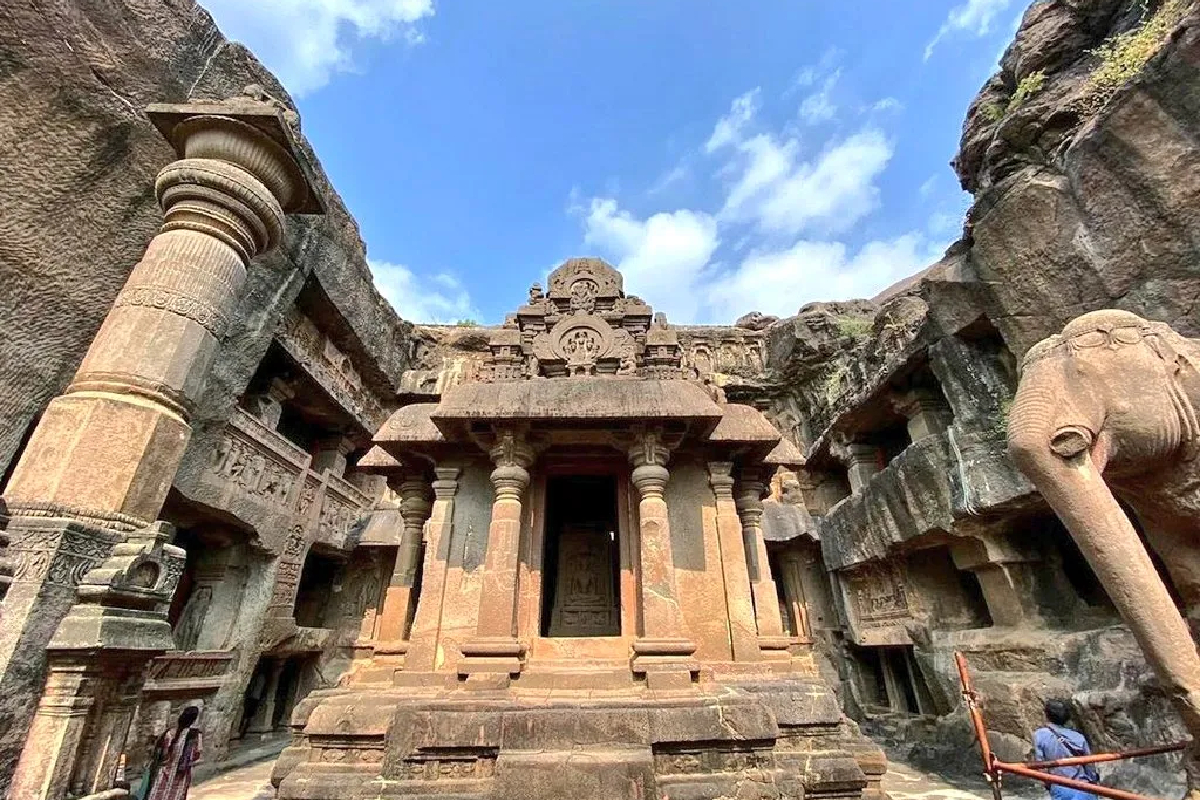
Located just a short walk from the hotel, this UNESCO World Heritage Site comprises 34 stunning rock-cut monasteries and temples carved out of the basaltic Charanandri hills between the 6th and 10th centuries CE. Symbolising the peaceful co-existence of faiths in ancient India, the site features 12 Buddhist, 17 Hindu, and 5 Jain caves positioned alongside each other. The crown jewel is Cave 16, the Kailasa Temple, which stands as the largest single monolithic excavation in the world, sculpted entirely from the top-down out of a single immense boulder to resemble Mount Kailash.
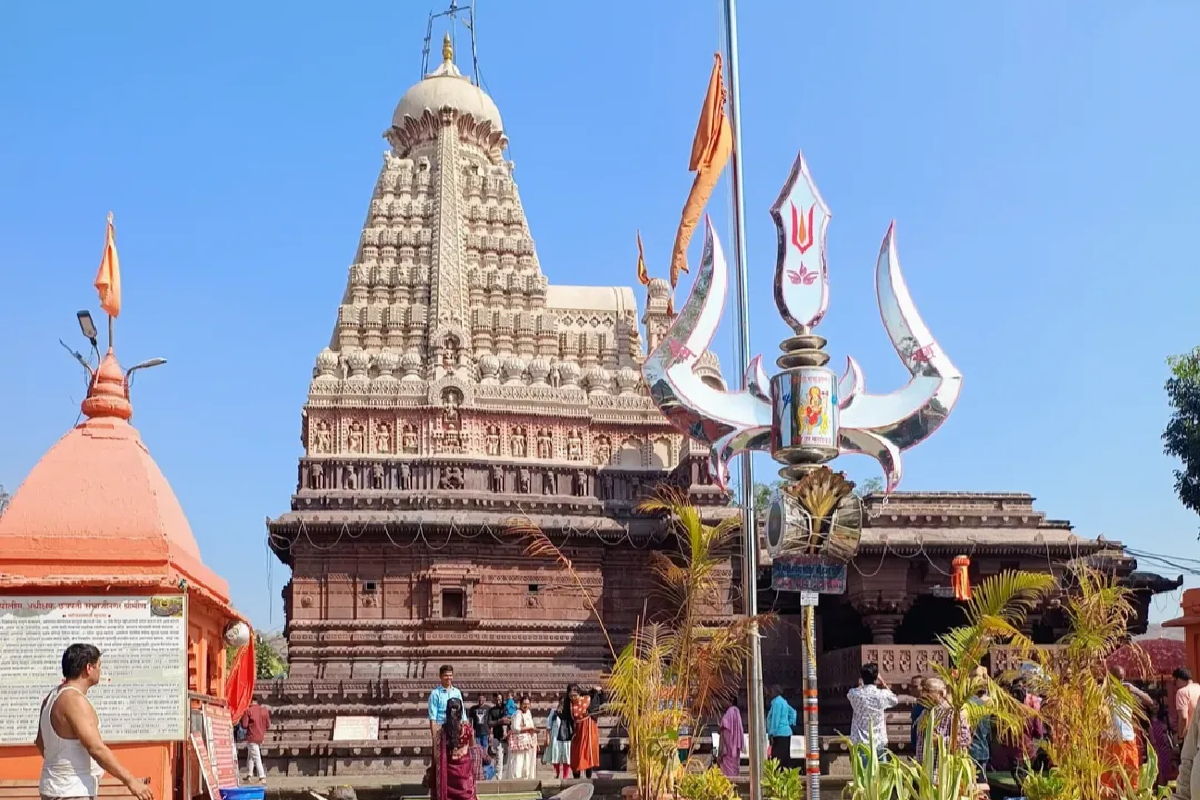
Shri Ghrishneshwar Jyotirlinga
Located roughly a 6-minute walk from the property, this legendary temple is universally revered as the 12th and final Jyotirlinga shrine dedicated to Lord Shiva across India. Rebuilt in the 18th century by Queen Ahilyabai Holkar of Indore, the structure is constructed out of striking red volcanic rock and showcases classic South Indian architectural styles complete with a five-tiered shikara. Because of its immense spiritual importance, it draws thousands of global devotees and pilgrims daily, making its extreme proximity a massive advantage for hotel guests.
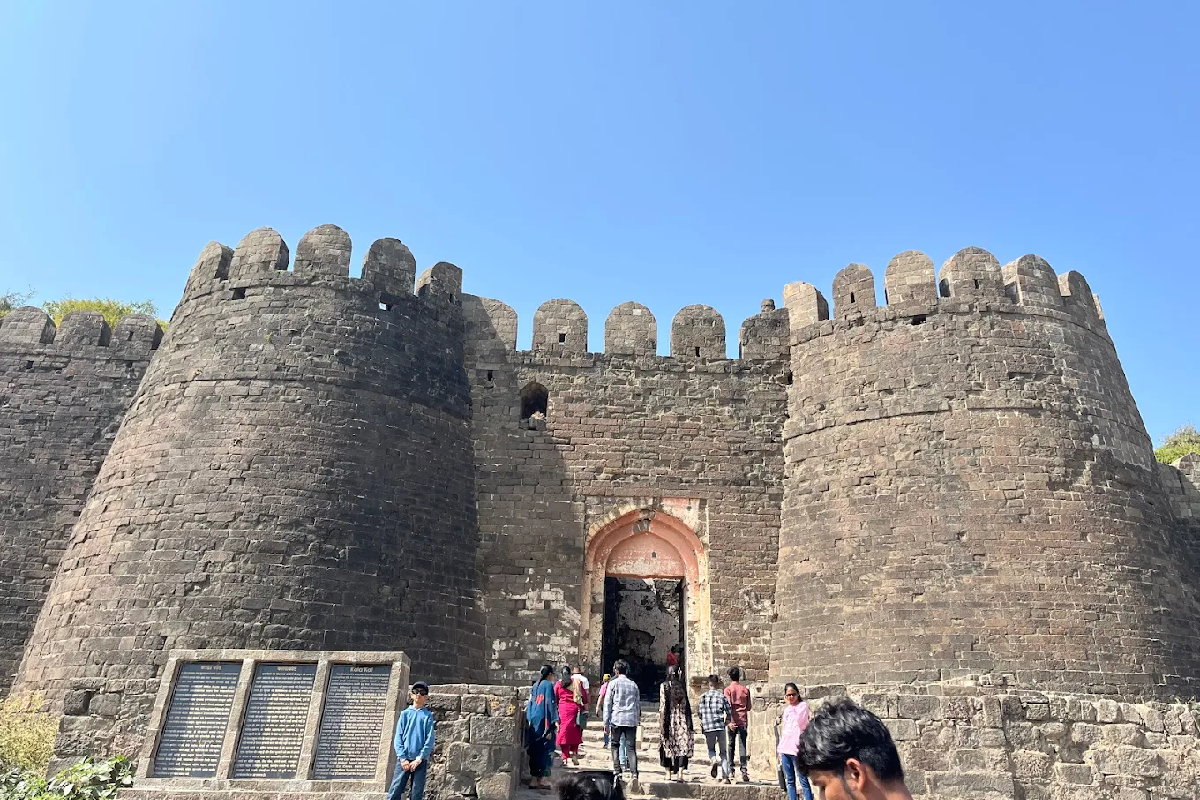
Daulatabad Fort
Located approximately 14 km down the road toward Chhatrapati Sambhaji Nagar, this towering medieval citadel rises dramatically from a conical hill and is regarded as one of the "Seven Wonders of Maharashtra". Built in the 12th century by the Yadava dynasty and later renamed by Muhammad bin Tughluq, the fortress is famous for its impregnable defense systems, including a deep moat filled with crocodiles, complex maze-like entry passages (Bhool Bhulaiya), and the iconic pink-hued Chand Minar tower. Climbing to the top rewards travelers with panoramic vistas of the rugged Deccan plateau landscape.
Khuldabad
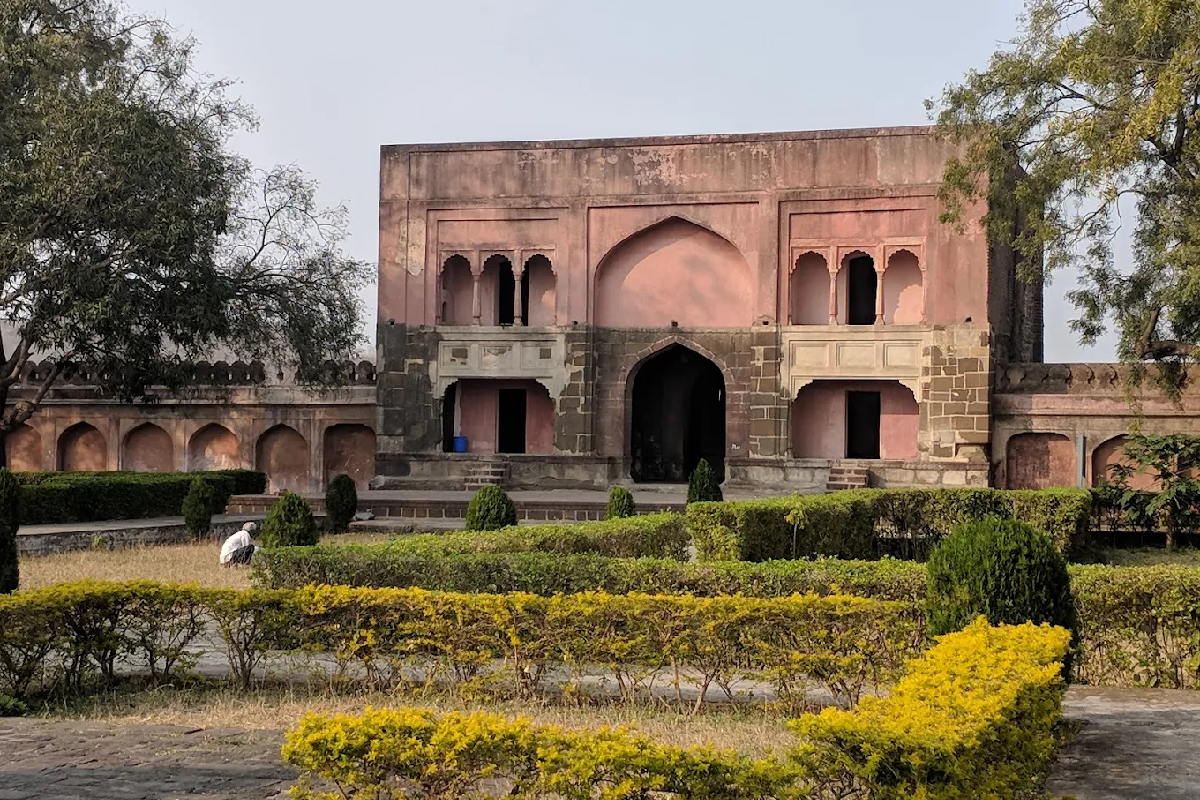
Merely 3 km east of the hotel rests Khuldabad, an ancient, walled historical town known widely as the "Valley of Saints" due to its deep-seated connection to 14th-century Sufi mystics. The quiet town serves as the final resting place for several prominent historical figures, most notably housing the austere, open-air tomb of Mughal Emperor Aurangzeb. Unlike his predecessors' grand mausoleums, Aurangzeb's grave is remarkably simple and unadorned, reflecting his personal mandate that his burial spot be funded purely by the small amount of money he earned by sewing caps and copying the Quran.
BIBI KA MAQBARA
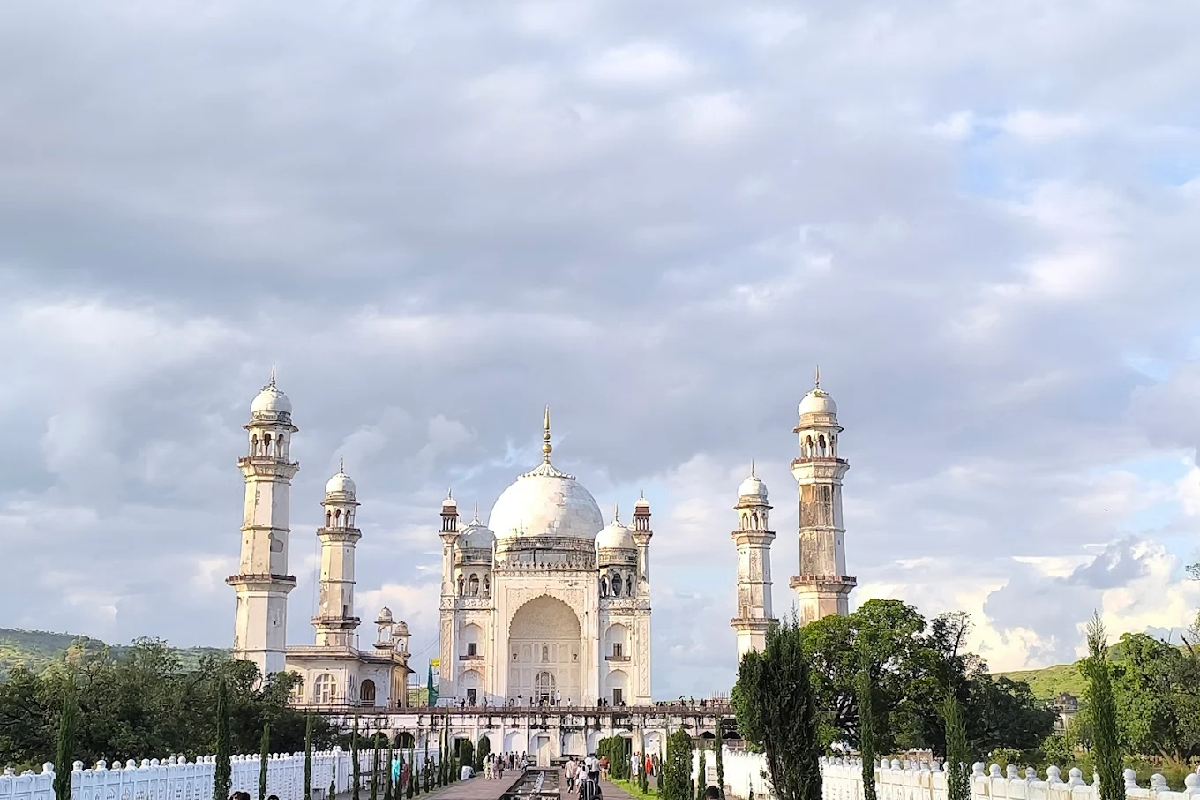
Located roughly 27 km away toward central Chhatrapati Sambhaji Nagar, this stunning 17th-century mausoleum is famously called the "Dakkhani Taj" or the "Taj of the Deccan". It was commissioned by Mughal Emperor Aurangzeb's son, Azam Shah, in loving memory of his mother, Dilras Banu Begum. Built to heavily emulate the architectural grandeur of the original Taj Mahal, it features an identical layout with four soaring minarets, a massive central marble dome, and symmetric Charbagh gardens with beautiful water fountains.
Sulibhanjan View Point
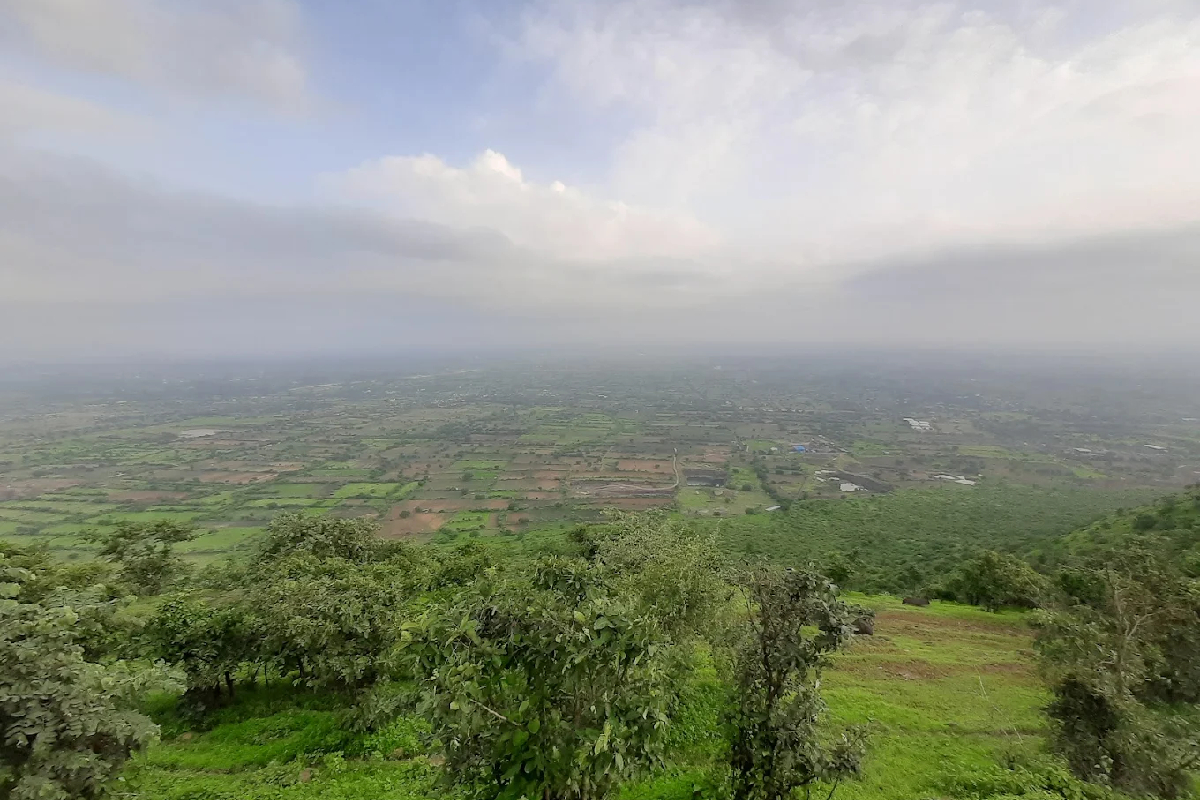
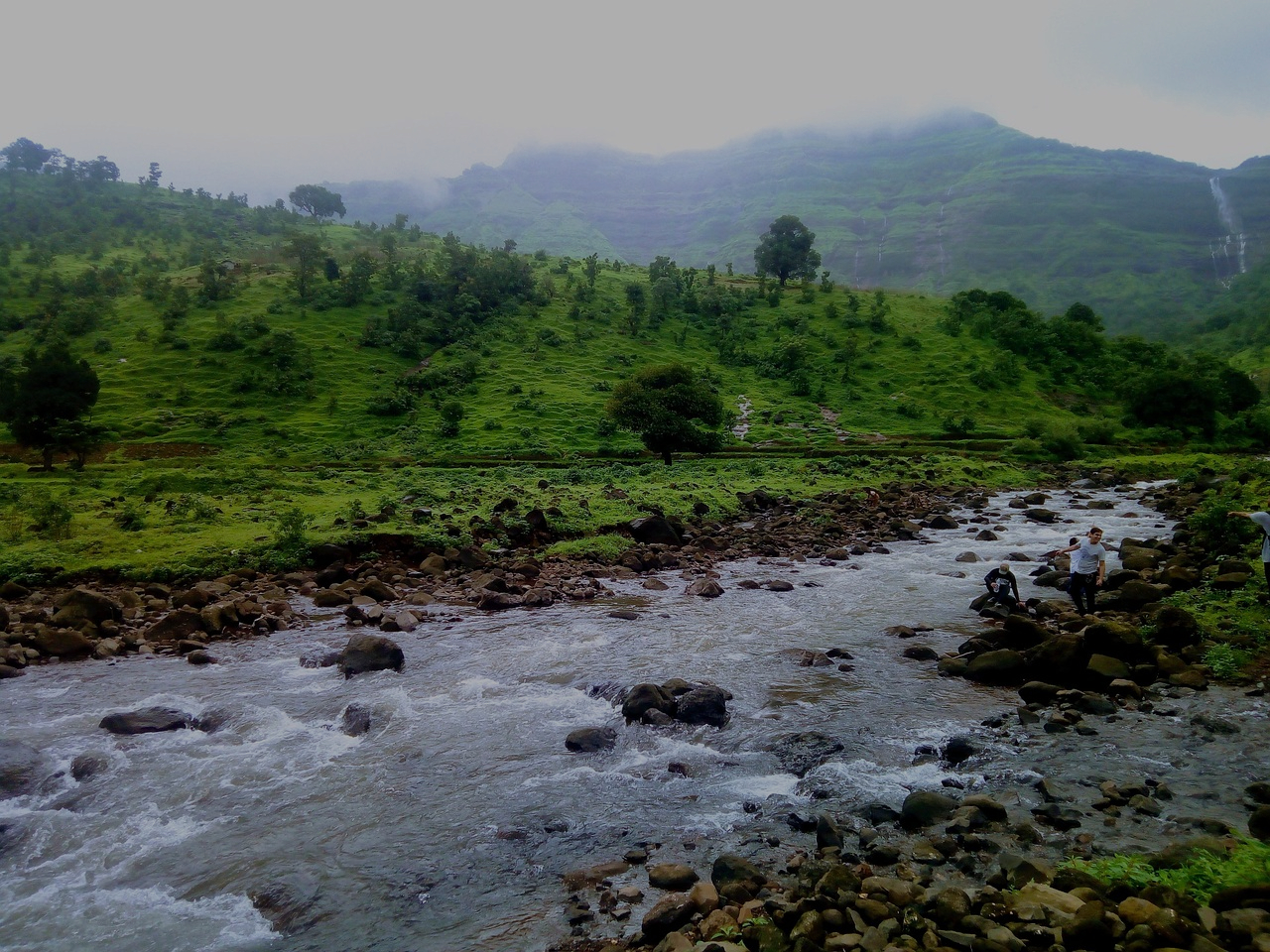
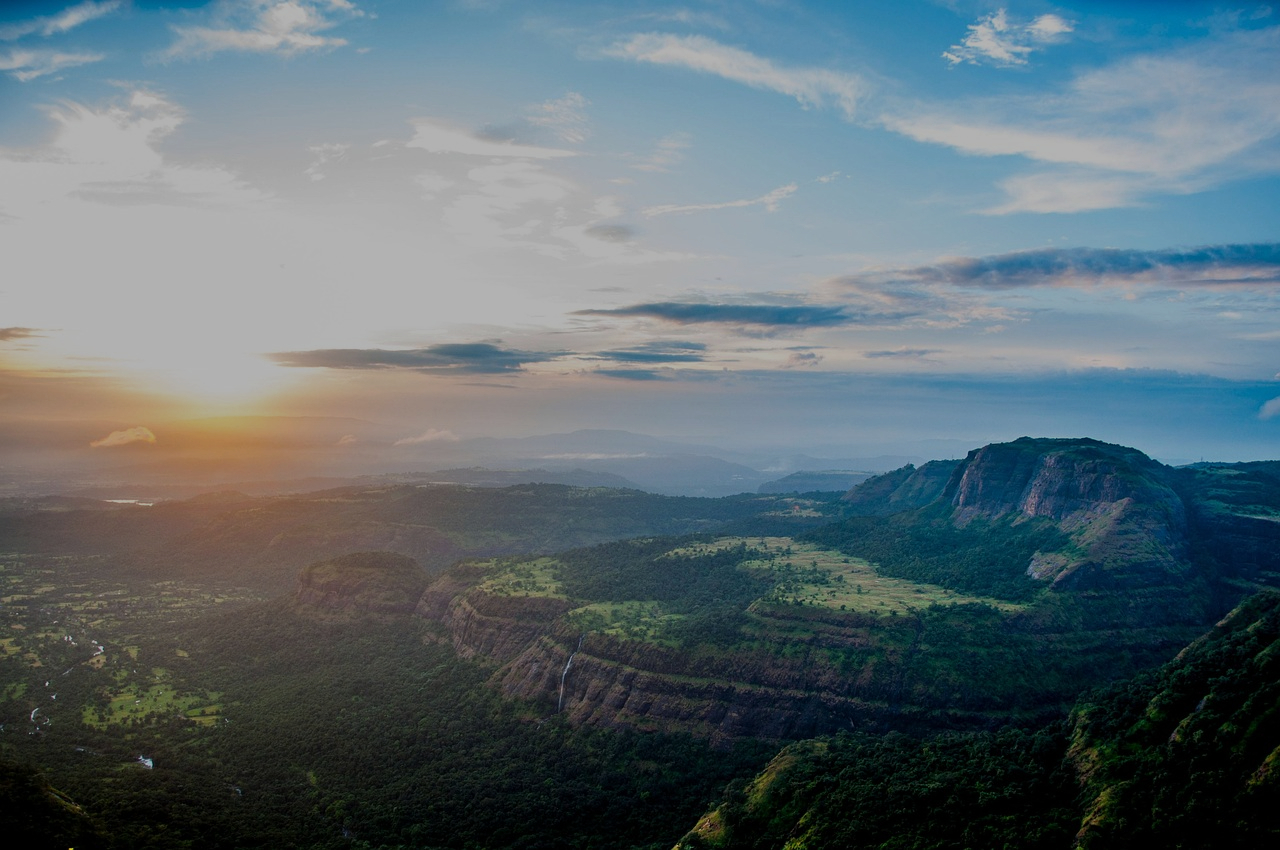
Situated about 10 km from Khuldabad on a spectacular high plateau, Sulibhanjan is a deeply serene spiritual and natural getaway. Perched atop this rugged cliff is the historic Mahanubhav Datta Temple, where the ancient 13th-century saint Sant Eknath Maharaj spent significant time in deep meditation. During the monsoon and winter seasons, the winding ghat road leading here transforms into a misty paradise blanketed in clouds, complete with deep gorges and the sacred twin water ponds known as Surya Kund and Chandra Kund.